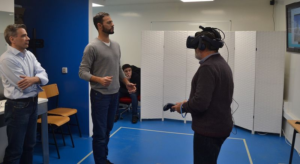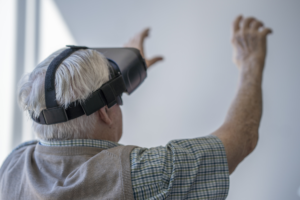
In the realm of healthcare, technology continually unveils innovative approaches to address complex conditions. One such intersection of technology and healthcare is the utilization of augmented reality (AR) in the treatment of Alzheimer’s disease. Alzheimer’s, a neurodegenerative disorder characterized by cognitive decline, presents unique challenges for patients, caregivers, and healthcare professionals alike. However, the integration of AR into cognitive therapy represents a promising avenue for enhancing treatment outcomes and improving the quality of life for individuals affected by Alzheimer’s.

Augmented reality, a technology that overlays digital information onto the physical environment, has gained traction across various industries, including healthcare. In the context of Alzheimer’s, AR offers a novel approach to cognitive stimulation, leveraging immersive experiences to engage patients and mitigate symptoms associated with cognitive decline.
Augmented reality cognitive stimulation holds immense potential in the realm of Alzheimer’s therapy. By integrating digital elements into real-world environments, AR platforms provide personalized and interactive experiences tailored to the unique needs of each patient. These experiences range from reminiscence therapy, where individuals engage with familiar settings from their past, to cognitive exercises designed to enhance memory, attention, and problem-solving skills.
One notable application of AR in Alzheimer’s therapy is the development of specialized AR platforms dedicated to cognitive rehabilitation. These platforms leverage advanced algorithms and interactive interfaces to deliver targeted interventions that promote cognitive function and independence in daily living. Through engaging activities and immersive scenarios, individuals with Alzheimer’s can undergo cognitive training that is both effective and enjoyable.
Moreover, AR for Alzheimer’s extends beyond traditional therapy settings, offering opportunities for remote support and virtual collaboration. Caregivers and family members can participate in AR-based interventions, fostering connectivity and support networks that enhance the overall caregiving experience. Additionally, AR technologies enable healthcare professionals to monitor patient progress remotely, facilitating personalized care management and intervention adjustments as needed.

The benefits of augmented reality in Alzheimer’s therapy extend beyond cognitive stimulation to encompass broader aspects of mental health and well-being. AR experiences have been shown to reduce feelings of isolation and depression among individuals with Alzheimer’s, fostering a sense of connection and purpose through immersive interactions. Furthermore, the interactive nature of AR interventions promotes social engagement and facilitates meaningful interactions with loved ones, enhancing emotional resilience and overall quality of life.
As the field of AR continues to evolve, so too does its potential to revolutionize Alzheimer’s care. Advanced cognitive stimulation AR applications offer customizable solutions that adapt to the evolving needs and preferences of patients, providing dynamic experiences that promote cognitive vitality and autonomy. Moreover, ongoing research and development in the field hold promise for further innovations, paving the way for more effective and accessible AR-based therapies for Alzheimer’s and related dementias.
In conclusion, the integration of augmented reality into cognitive therapy represents a groundbreaking approach to Alzheimer’s care, bridging the gap between the past and the present to empower individuals with cognitive challenges. Through immersive experiences and personalized interventions, AR holds the key to unlocking new possibilities for cognitive stimulation, emotional well-being, and connectedness in the lives of those affected by Alzheimer’s disease.