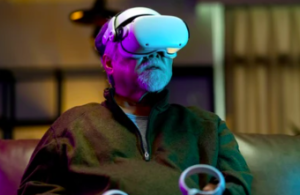
In the realm of healthcare, particularly in the landscape of Alzheimer’s care, the emergence of augmented reality (AR) technology is marking a revolutionary shift. Augmented reality, with its immersive and interactive capabilities, is not merely a tool for entertainment or gaming; it’s now becoming a game-changer in therapeutic interventions for Alzheimer’s patients. Let’s delve into how augmented reality is redefining Alzheimer’s care and offering new avenues for cognitive stimulation and therapy.
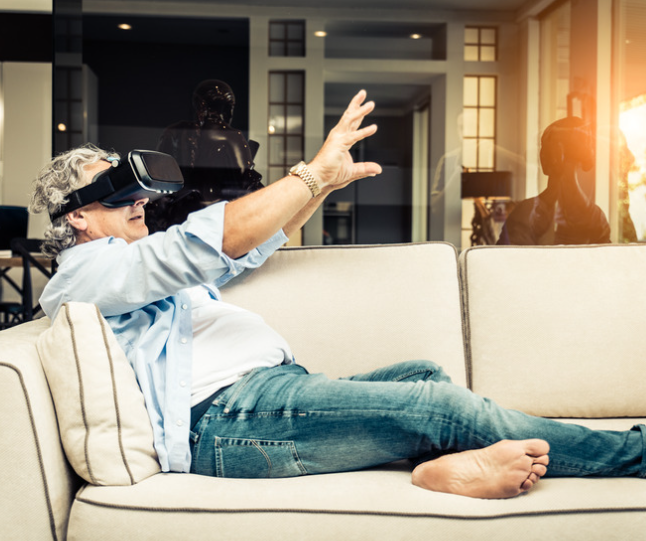
The Rise of Augmented Reality in Alzheimer’s Care:
Traditional approaches to Alzheimer’s care often rely on medication and conventional therapy techniques. However, these methods have limitations in addressing the cognitive decline and memory loss associated with Alzheimer’s disease. This is where augmented reality steps in as a promising solution.
Alzheimer’s Augmented Reality Platform: One of the pioneering aspects of augmented reality in Alzheimer’s care is the development of specialized platforms tailored to the unique needs of Alzheimer’s patients. These platforms integrate AR technology with cognitive therapy exercises, creating an immersive environment that engages and stimulates the user.
Augmented Reality Cognitive Stimulation:
Augmented Reality Cognitive Therapy: AR-based cognitive therapy provides personalized interventions aimed at improving cognitive function and memory retention in Alzheimer’s patients. Through interactive activities and simulations, patients engage in exercises designed to enhance various cognitive abilities, such as memory recall, problem-solving, and spatial awareness.
Advanced Cognitive Stimulation AR: Unlike traditional cognitive therapy methods, AR offers a dynamic and multi-sensory experience that can adapt to the individual’s cognitive abilities and preferences. This personalized approach maximizes the effectiveness of the therapy and encourages greater engagement and participation from patients.
The Benefits of Augmented Reality for Alzheimer’s Patients:
Enhanced Engagement and Motivation: Augmented reality creates an engaging and interactive environment that motivates Alzheimer’s patients to participate in therapy sessions. The immersive nature of AR experiences captures their attention and encourages them to actively engage in cognitive exercises, leading to better outcomes and improved quality of life.
Improved Cognitive Function: Studies have shown that AR-based cognitive stimulation can lead to significant improvements in cognitive function and memory retention among Alzheimer’s patients. By stimulating neural pathways and promoting brain plasticity, AR therapy helps slow down the progression of cognitive decline and enhances overall cognitive abilities.
Augmented Reality and Mental Health:
Beyond cognitive stimulation, augmented reality also holds promise in addressing the emotional and psychological well-being of Alzheimer’s patients. AR experiences can be designed to evoke positive emotions, reduce anxiety and depression, and enhance social interactions, thereby improving the overall mental health of patients.

Augmented Reality for Brain Stimulation: AR-based interventions not only target cognitive function but also stimulate various regions of the brain associated with emotion regulation and social cognition. This holistic approach to Alzheimer’s care addresses the multifaceted nature of the disease and promotes overall brain health and well-being.
The Future of Alzheimer’s Care with Augmented Reality:
As augmented reality technology continues to evolve and become more accessible, its potential to transform Alzheimer’s care is boundless. Innovations such as wearable AR devices, personalized therapy apps, and remote monitoring solutions hold promise in expanding the reach and effectiveness of AR-based interventions for Alzheimer’s patients.
AR for Alzheimer’s: With ongoing research and development, augmented reality is poised to become an integral part of Alzheimer’s care, offering new hope and possibilities for patients, caregivers, and healthcare providers alike. By harnessing the power of technology to enhance cognitive function, improve quality of life, and redefine the standard of care, we are entering a new horizon in Alzheimer’s care—one where augmented reality is at the forefront of innovation and transformation.
In conclusion, augmented reality is not just a futuristic concept but a tangible reality that is reshaping the landscape of Alzheimer’s care. From cognitive stimulation to emotional well-being, AR-based interventions are offering new avenues for therapy and support for patients living with Alzheimer’s disease. As we continue to explore the potential of augmented reality in healthcare, we are paving the way for a brighter future for those affected by Alzheimer’s and other neurodegenerative conditions.